
Wrocław University of Science and Technology · Biomedical Engineering

MEDΦ Laboratory

Molecular Events & Design of Pharmaceuticals

We study the molecular events that decide whether a compound becomes a therapeutic tool: membrane insertion, transporter selectivity, antimicrobial action, and clinically interpretable AI.

molecular dynamics membrane proteins drug design AI in medicine
scroll
Biomedical Engineering
Department of Biomedical EngineeringFaculty of Fundamental Problems of Technology
MEDΦ · Molecular Events Design of Pharmaceuticals PWr · Wrocław
Membrane molecular event
Identity

A computational pharmacology lab built around mechanism, design and translation.

MEDΦ combines molecular biophysics, numerical modelling and AI-assisted biomedical engineering. The central question is pragmatic: which microscopic events can be turned into actionable design rules?

What we do

We connect atomistic simulation, membrane and transporter pharmacology and clinical machine learning to explain mechanisms and support rational therapeutic design.

eventMolecular interaction
modelMechanistic simulation
designCandidate, rule or descriptor
validateNumerical and experimental logic
translateBiomedical decision support
Research pillars

From membrane physics to designable therapeutic mechanisms.

Four directions, one method: turn molecular events into rules that hold up numerically and clinically.

SGLT

Transporter-targeted pharmacology

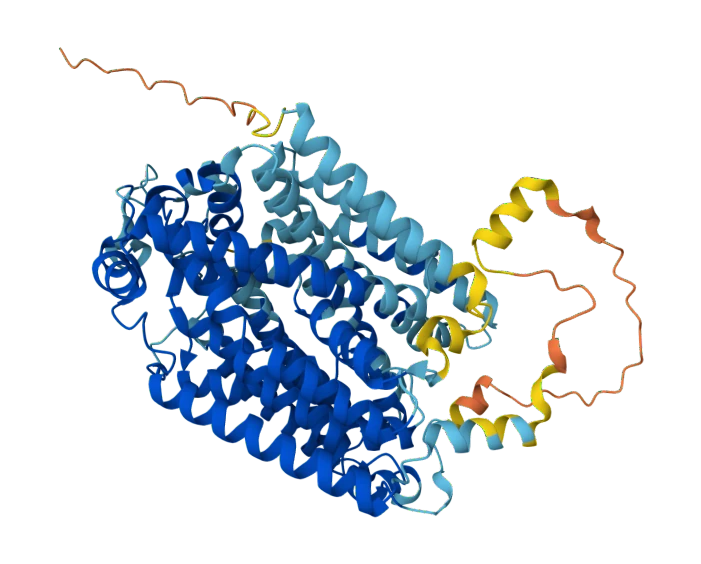
SGLT and GLUT modelling, selectivity determinants and the molecular logic of transport relevant to metabolic disease and cancer. Cryo-EM, AlphaFold2 and free-energy methods turned into design rules.

SGLT1GLUTselectivityMM/GBSA
AMR

Antimicrobial membrane strategies

Mechanisms of surfactants, antiseptics and membrane-active compounds against resistant bacteria, including AI-generated candidates aimed at specific bacterial microdomains.

AMRsurfactantsoctenidineAI design
MD

Membrane biophysics & MD platforms

Realistic bacterial envelopes and asymmetric bilayers, micropipette aspiration and flicker-noise spectroscopy, plus numerical tools that quantify membrane mechanics and interaction energetics.

GUVE. colibending rigidityDiptool
AI

AI-assisted medical engineering

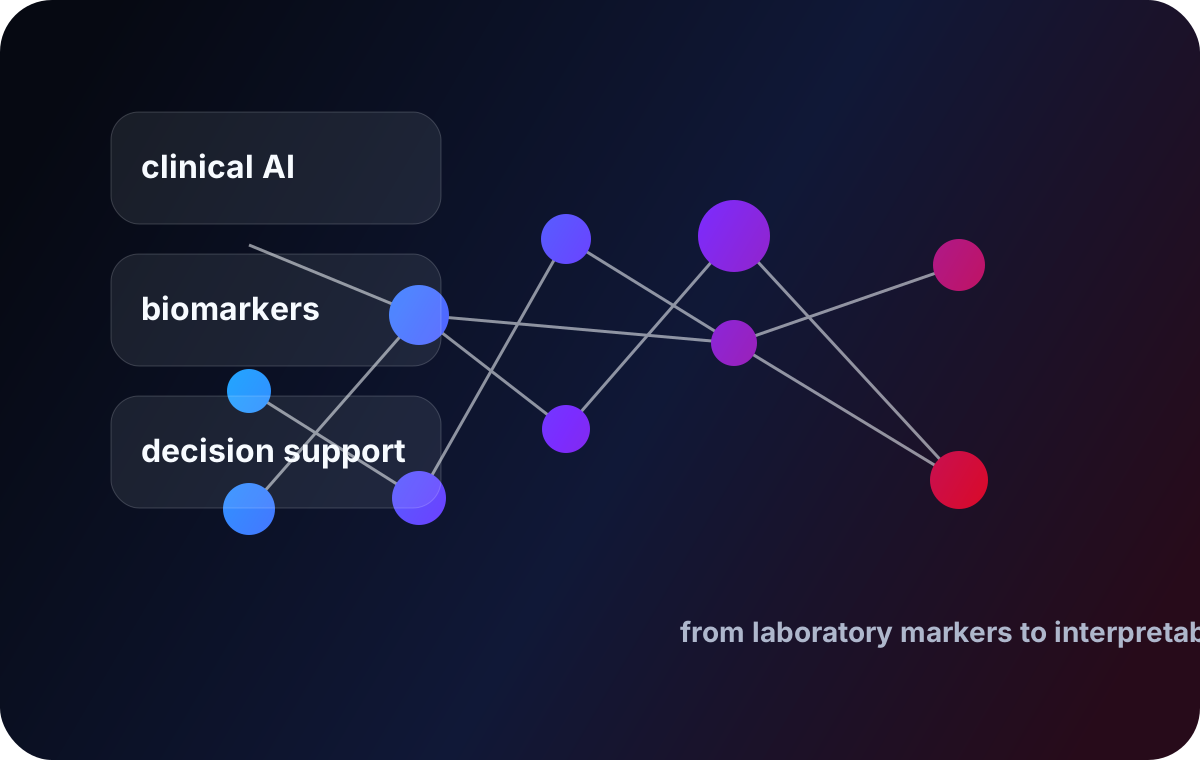
Interpretable machine learning on laboratory markers and medical images: coronary-artery and multi-sequence MRI pipelines, histopathology analysis and clinical decision support.

MLmedical imaginghistopathologyCDSS
Selected programmes

Project stories, not a dry publication list.

Grouped by domain rather than ranked. Each can grow into its own page.

SGLT / metabolic

SGLT molecular design

Computational insight into human sodium-glucose transporters and the design challenge of selective SGLT1 inhibition.

SGLT1transporter design
oncology

GLU-TAT strategy

Deactivation of sodium-dependent glucose transport for targeted anticancer therapy, framed as a transporter-level intervention.

anticancerglucose transport
antimicrobials

Antimicrobial membranes

Molecular guidelines for promising antimicrobial agents and AI-generated candidates aimed at bacterial microdomains.

AMRAI design
software

Diptool and descriptors

Numerical analysis of membrane interactions and descriptor-driven selection of antimicrobial detergents and drug-delivery aids.

numerical toolsdescriptors
biophysics

Mimetic bacterial envelopes

More realistic E. coli membrane systems for molecular dynamics, and how membrane complexity shapes mechanical parameters.

E. colimembrane mechanics
clinical AI

Clinical AI models

Interpretable machine learning on laboratory markers and medical images to support non-invasive clinical assessment.

interpretable AIimaging
People

A compact group across biophysics, chemistry and AI.

Every member has a profile page. Click through to read more.

Sebastian Kraszewski
PI

dr hab. inż. Sebastian Kraszewski, prof. PWr

Group leader · Associate Professor

Sebastian Kraszewski leads the MEDΦ Laboratory at the Department of Biomedical Engineering. He earned his PhD in 2010 at the Université de Franche-Comté in Besançon, working on the computational biophysics of carbon-nanotube interactions with biological membranes, and his habilitation in 2020 at the Silesian University of Technology on numerical methods in biomedical engineering.

His research connects atomistic simulation, membrane and transporter pharmacology, antimicrobial design and AI-assisted biomedical engineering. He has led the OPUS grant INNOSEPT on broad-spectrum antiseptics and the Foundation for Polish Science Homing Plus project GLU-TAT, and his work is indexed in Web of Science and Scopus with more than 1000 citations.

molecular dynamicscomputational biophysicsdrug designAI in medicine
See the full team
Outputs

Selected work that shows the lab's direction.

Molecular modelling, membrane pharmacology and AI/ML, with links to the source.

Clinical AI network
2025

Molecular mechanisms and computational insights into human SGLTs

Frontiers in Molecular Biosciences. A roadmap toward selective SGLT1 inhibition built from cryo-EM, AlphaFold2 and free-energy calculations.

doi: 10.3389/fmolb.2025.1668400
2025

Designing AI-generated antimicrobials for targeting bacterial microdomains

Scientific Reports. Generative design of membrane-active antimicrobials aimed at cardiolipin-rich microdomains.

doi: 10.1038/s41598-025-31350-1
2024

Multifaceted activity of Fabimycin on bacterial membrane models

Journal of Chemical Information and Modeling. Molecular dynamics of a next-generation antibiotic in complex and single-membrane systems.

doi: 10.1021/acs.jcim.4c00228
2021

Unraveling the mechanism of octenidine and chlorhexidine on membranes

Biophysical Journal. Does electrostatics matter? A molecular account of two everyday antiseptics.

doi: 10.1016/j.bpj.2021.06.027
2021

Parametrisation of Gemini-type cationic surfactants

International Journal of Molecular Sciences. A systematic molecular-dynamics route to comparing antimicrobial surfactants.

doi: 10.3390/ijms222010939
Collaboration

Let's turn molecular events into testable therapeutic ideas.

For students, clinicians and industrial partners who need mechanism-driven design in molecular modelling, membrane-active therapeutics, transporter pharmacology and biomedical AI.

Lab e-mailmedp@pwr.edu.pl
LocationPlac Grunwaldzki 13, 50-377 Wrocław, Poland · building C-13